From Rock Bottom to 1% Better: How Robert Molling Built a Nationwide Meal Prep Empire
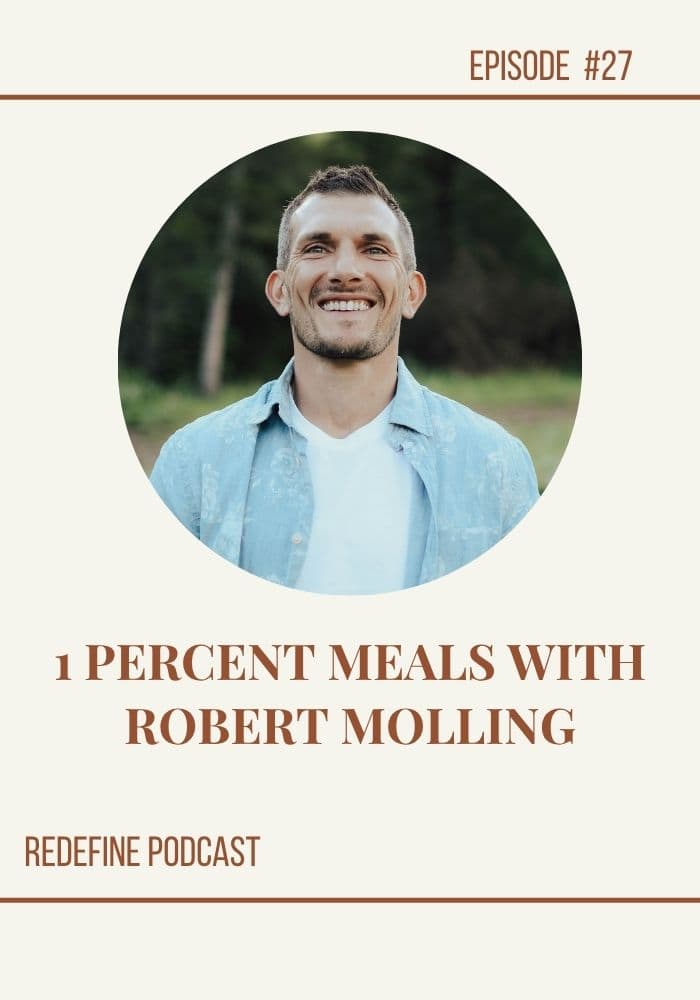
On this episode of Redefine Business, Brittni Schroeder sits down with Robert Molling, founder of 1% Fitness Kitchen, a Utah-based meal prep and nutrition company that has grown from a single day of kitchen rentals into a nationwide shipping operation. Brittni met Robert at a wrestling tournament, tried his food, and knew immediately she wanted to hear his story. What follows is one of the most honest and inspiring founder journeys the podcast has featured — a story of addiction, incarceration, and ultimately, transformation through fitness, food, and relentless hustle.
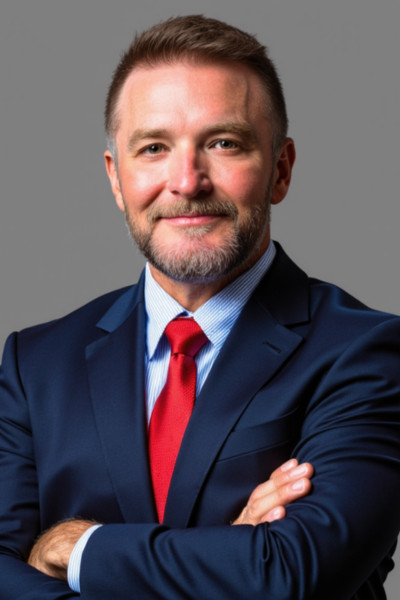
Meet Robert Molling
Robert Molling is the founder of 1% Fitness Kitchen, a Utah-based meal prep and nutrition company built around helping people become 1% better every day. As an active father of five, Robert understands firsthand how hard it can be to balance family, business, health, and real life — and that understanding is a big part of why he created 1% Fitness Kitchen in the first place: to make healthy eating easier, more convenient, and more sustainable for busy people who want to feel better, perform better, and stay consistent.
Through chef-crafted, macro-friendly meals made with clean ingredients and high-quality proteins, Robert and his team take the guesswork out of nutrition for their customers. His passion goes beyond food — he believes in education, accountability, and giving people practical tools to build habits that actually last. Robert is also deeply invested in helping other food entrepreneurs grow, using his own experience in meal prep, commissary kitchens, and food business development to support others building their own brands. When he’s not in the kitchen or working on the business, you’ll usually find him spending time with his family, staying active, or enjoying the mountains of Utah.
A Rough Start and an Unexpected Discovery
Robert doesn’t shy away from where his story begins. Raised in a household he describes as far from typical for Utah, he faced substance abuse from a young age and, out of necessity, learned to cook for himself early on. Somewhere in the middle of a difficult childhood, he discovered he genuinely loved cooking for other people.
That love of cooking got buried for a while under a series of tough years — continued substance abuse, poor choices, and eventually incarceration. But as Robert puts it, when you’re incarcerated, people tend to find one of two things: God or fitness. He found a combination of both. Robert spent about 18 months in a treatment facility, followed by a stint in transitional housing. Coming out of that chapter, he faced a harsh reality familiar to many people rebuilding their lives: nobody wanted to hire someone with tattoos and a record.
So he got a job at a car wash and started studying to become a fitness technician, eventually earning multiple personal training certifications. It didn’t take long for him to notice a pattern with his training clients — the problem was never the workout plan. It was that people wouldn’t follow it.
From Meal Prepping for Himself to Feeding a Movement
To save money, Robert had always done his own weekly meal prep. One day, while getting his hair cut, a training client spotted him eating his prepared meals and asked if Robert would make food for him too. Robert agreed — and simply asked the client to cover the cost of ingredients since he was already cooking anyway. That client had an incredible transformation, word spread through the office, and suddenly everyone wanted in.
What started with 30 to 40 people showing up at Robert’s house each week — kitchen torn apart, skinfold calipers out, progress photos being taken — eventually outgrew his home entirely. In 2013, he began renting a commercial kitchen one day a week. That one day quickly became five. By 2016, Robert had acquired the kitchen outright and started building out real systems and operations, sharpening his focus on nutrition education along the way.
Today, in 2026, 1% Fitness Kitchen offers both local pickup and delivery in Utah, plus nationwide shipping — a leap that happened in 2020, right as the company opened its new production facility in Lehi, in the middle of the COVID-19 pandemic.
Marketing That Evolved With the Times
Robert’s marketing story is a genuine case study in adapting to change. In the early years, growth was pure word of mouth and guerrilla marketing — flyers on doors, booths at events like FitCon, sampling at 13 different locations around the valley, and even ad placement on the TVs at the gym that used to occupy his building.
Around 2018–2019, Robert shifted away from in-person booths and leaned into Meta and Instagram advertising. But he’s candid about how much harder digital marketing became after Apple’s iOS 13 update reshaped tracking and attribution across the industry. He also rebuilt his entire digital presence over the years — starting with a WordPress site that took roughly five years and half a million dollars to develop, all without even showing a picture of the food. Customers got exactly what was being produced that week, no customization. When the company moved into its new Lehi facility in 2020, Robert switched to Shopify, which was far more cost-effective and gave him access to subscription plugins and — critically — real visibility into ad conversions, something he’d been essentially guessing at before.
Learning It Himself — With a Caveat
As a hundred-percent equity owner in his company, Robert made a deliberate choice early on to learn the back end of Facebook’s ad platform and taught himself Photoshop and other design tools to keep production costs down. Looking back, though, he admits he’d do it differently: with freelance platforms like Fiverr and Upwork, and now AI tools, available for a fraction of the cost of his own time, he’d hand off design work sooner and reclaim those hours.
Brittni and Robert dug into a theme that comes up often on the podcast — the value of understanding a skill well enough to know if the person you hire is doing a good job, even after you delegate it. Robert has cycled through several marketing agencies over the years, including one stretch where he took six months off from advertising entirely because the agency running his campaigns wasn’t performing. When he jumped back in himself, he outperformed them.
Rethinking Influencer and Affiliate Marketing
Robert runs a fully built-out affiliate and influencer program, but he’s refreshingly honest about how much work — and how much waste — is involved. Because his product (a box of meals) costs significantly more to sample than something like a supplement, roughly $30–40 in shipping and $40–70 in product per box, a failed influencer partnership stings. To manage that risk, Robert structures his affiliate deals differently than most: rather than paying an influencer a flat fee upfront, he offers free food after 10 verified conversions, plus a recurring 10–20% commission on referred sales. Influencers also can’t mention their discount code in their first one or two posts, keeping the content feeling authentic rather than like an ad. The company is also testing “whitelisting,” where sponsored content is delivered to run as if it’s the influencer’s own organic post rather than a labeled collaboration.
Looking ahead, Robert shared that within the next week or two, 1% Fitness Kitchen will launch a limited giveaway — 100 spots for customers to try a pound of the company’s bulk protein or a single meal for just $5.99 in shipping, a strategy designed to get the product in front of new customers at a lower cost than traditional paid ads.
Building a Second Business: The Commissary Kitchen
Robert’s original rented kitchen space in Sandy, Utah has since come full circle. Rather than let it sit idle after building the larger 10,000-square-foot Lehi facility, Robert turned the Sandy location back into a commissary kitchen — a shared commercial space for food entrepreneurs who don’t yet have the capital or need for their own facility. He now supports 11 tenants there, some renting daily, some just a couple of days a week, helping them navigate the maze of Department of Agriculture and Department of Health requirements, business licensing, and FEIN registration. Several well-known Utah food brands, including Radigio Grill, San Diablo’s Churros, and Spudley Donuts, got their start operating out of Robert’s commissary kitchen.
Quickfire Round
Robert’s pet peeve: people who don’t follow through on their commitments. His simple pleasure: quiet time at the gym — a rare commodity as a father of five — and, notably, mangoes.
Connect With Robert and 1% Fitness Kitchen
Ready to try the food for yourself? If you’re ever in Lehi, Utah, stop by the 1% Fitness Kitchen location Monday through Wednesday, 9am–6pm, and grab a free meal to try.
- Website: 1percentfit.com
- Instagram (1% Fitness Kitchen): @1percentfitness
- Instagram (Robert): @ricky_bobby320
- Instagram (CL Kitchen / commissary space): @cl_kitchen801
- Email: clkitchen801@gmail.com
Robert’s story is proof that you don’t need a perfect starting point to build something meaningful — you just need to keep showing up and getting 1% better every day.
Join the Conversation
Let’s not stop the party here. Head on over to my Instagram or Facebook group, Redefine Your Business, and share your thoughts about today’s show. See you again, same time, same place next week!
Resources:
The Meeting Place Membership
Rock The Reels
1:1 Coaching
Free Client Welcome Guide
Additional Trainings and Resources
Connect with Brittni:
Follow me on the Gram – @brittni.schroeder
Join my Facebook Group
Visit my website
Subscribe to my Youtube