Running a business often starts with wearing all the hats — CEO, marketer, tech support, admin, and everything in between. But at some point, that hustle turns into a bottleneck. Your business can’t grow because you are holding everything together manually.
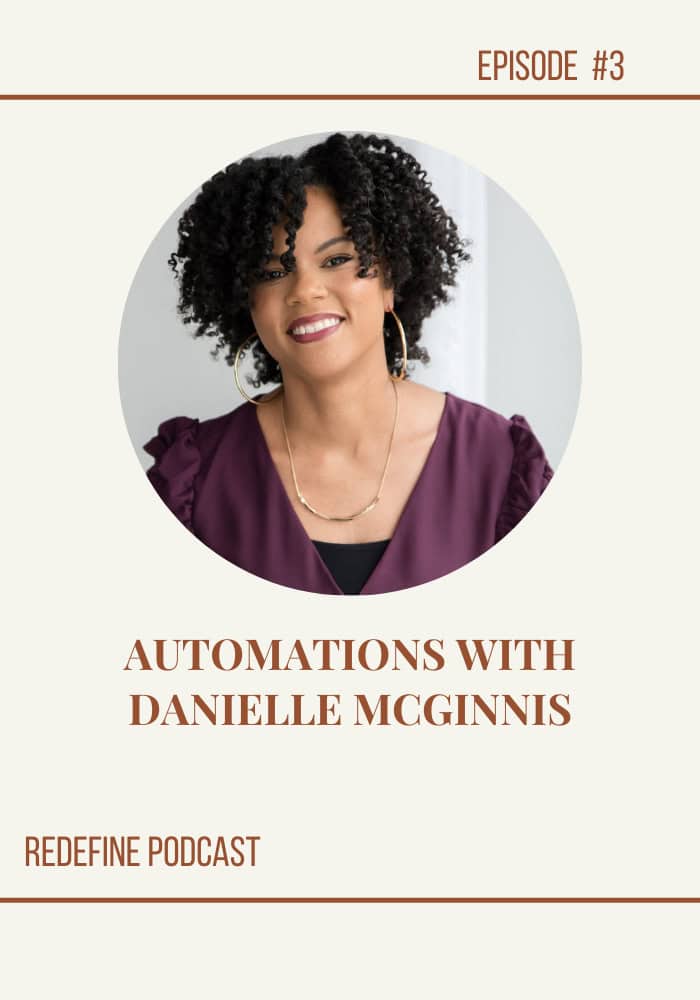
In this episode of the Redefine Business Podcast, Brittni sits down with Danielle McGuinness of Cutting Edge Operations, an online business manager and systems expert who helps entrepreneurs streamline, automate, and scale without burning out. Danielle is also one of the featured speakers at the Fusion Online Summit (Feb 3–5), making this conversation a perfect preview of what attendees can expect.
If you’ve ever felt stuck, overwhelmed, or tempted by every shiny new software tool on the internet — this episode is for you.
Meet Danielle McGuinness: Systems, Strategy, and Sanity
Danielle McGuinness is an online business manager and self-proclaimed “tech girlie at heart.” She works with business owners who feel stuck — not because they lack ambition, but because their businesses rely too heavily on them to function.
Her specialty? Helping entrepreneurs identify where they are the bottleneck and then removing them through better systems, smarter automations, and intentional processes.
As Danielle explains, most business owners don’t actually need more tools — they need clarity on how their business works first.
The Real Reason Businesses Get Stuck
One of the biggest challenges Danielle sees is what many entrepreneurs jokingly call “shiny object syndrome.” A business owner sees a peer using a tool they love, assumes it’s the missing piece, and implements it without understanding whether it actually fits their business.
The problem? Tools are often added before systems are defined.
Danielle emphasizes that systems and processes come first. Tools should support what already exists — not replace the thinking work required to build a functional business foundation.
Without clearly defined processes, even the best software will fall short.
Systems vs. Tools: Why the Order Matters
A key theme of the conversation is the difference between systems, processes, and tools:
-
- Processes are how things get done in your business
-
- Systems are the structure that supports those processes
-
- Tools are simply the technology used to execute them
Many entrepreneurs skip straight to tools, hoping software will fix chaos. But without documented processes, tools often add more confusion instead of clarity.
As Danielle puts it, you shouldn’t be buying a tool to solve a problem you haven’t clearly defined yet.
The Five Phases of the Client Journey You Should Automate
Danielle walks listeners through the five core phases of the client journey that every business owner should evaluate and automate where possible.
1. Lead Capture & Scheduling
The first major red flag Danielle sees? The endless back-and-forth email dance.
In today’s world, potential clients expect instant access. A simple contact form paired with an automated scheduler allows prospects to connect with you without waiting on your inbox.
If someone wants to work with you, they should be able to take action immediately.
2. Onboarding (Don’t Accidentally Give “Scammer” Energy)
Once someone pays you, what happens next?
Danielle points out that many businesses collect payment and then go silent — not intentionally, but because onboarding isn’t automated. This can make even the most legitimate business feel disorganized.
A strong onboarding system typically includes:
-
- Contract delivery
-
- Invoices or payment confirmation
-
- Clear next steps
-
- Expectations around communication
Automation here builds trust and confidence right away.
3. Service Delivery Communication
Service delivery doesn’t mean constant communication — it means clear communication.
Danielle encourages business owners to proactively tell clients what’s happening behind the scenes. Even something as simple as letting them know they won’t hear from you for a few days can eliminate anxiety and unnecessary follow-ups.
Clarity = professionalism.
4. Offboarding (The Most Overlooked Phase)
Offboarding is where many entrepreneurs drop the ball — and leave money on the table.
Danielle explains that if you’ve done incredible work but don’t properly close the loop, you miss opportunities for:
-
- Client retention
-
- Referrals
-
- Testimonials
-
- Future offers
A strong offboarding process wraps the experience up with intention and keeps the relationship going beyond the project.
5. Retention, Referrals, and Revenue Continuity
The final phase ties everything together. Businesses that automate follow-ups, referral requests, and next-step offers are far more likely to create sustainable growth.
It’s not about being salesy — it’s about making it easy for happy clients to continue working with you or recommend you to others.
Danielle’s Favorite Tech Tools
Danielle shares some of the tools she loves and recommends, while emphasizing that budget and business stage always matter.
-
- HighLevel – An all-in-one CRM that supports scheduling, email marketing, websites, memberships, pipelines, and more
-
- Calendly – A solid option for beginners
-
- Acuity Scheduling – A favorite for service-based businesses
-
- TidyCal – A budget-friendly alternative
The takeaway? Choose tools that align with your current needs — and actually use the features you’re already paying for.
A Free Client Journey Assessment
Danielle has created a Client Journey Assessment to help business owners evaluate where their systems need the most attention. Click HERE
Instead of trying to fix everything at once, this assessment helps identify priorities so you can focus on the areas that will make the biggest impact first.
Catch Danielle at the Fusion Online Summit
Danielle McGuinness will be speaking at the Fusion Online Summit, February 3–5, where she’ll dive deeper into systems, automations, and client communication tools that help businesses scale sustainably.
This episode is just a preview of the value she brings.