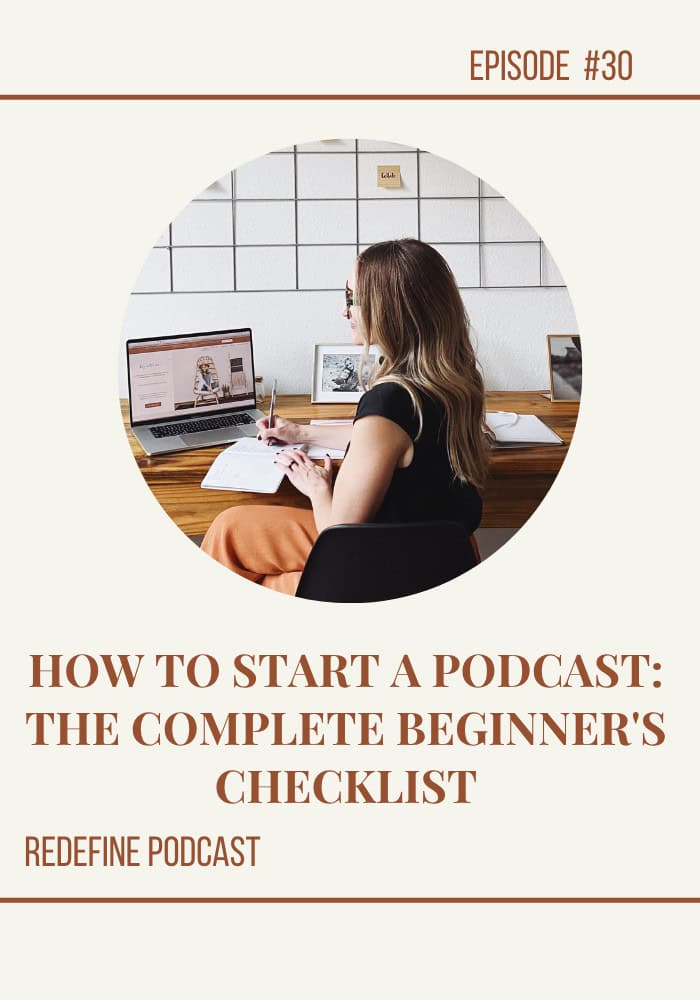
How to Start a Podcast: The Complete Beginner’s Checklist
Podcasting has become one of the most effective ways to build authority, connect with your audience, and create long-form content that can be repurposed across multiple platforms. Whether you’re a business owner, coach, educator, or simply passionate about sharing your expertise, starting a podcast can help you expand your reach and establish yourself as an expert in your industry.
While launching a podcast may seem overwhelming, breaking it down into manageable steps makes the process much more approachable. Here’s everything you need to know before you hit record.
1. Define Your Podcast’s Purpose
Before purchasing equipment or creating artwork, determine why you’re starting a podcast.
Ask yourself:
- Who is my ideal listener?
- What problem will this podcast solve?
- What topics will I consistently discuss?
- How will this podcast support my business or personal goals?
Having a clear purpose will help you stay consistent and attract the right audience.
2. Choose the Perfect Podcast Name
Your podcast name is often the first impression listeners have of your show.
Choose a name that is:
- Easy to remember
- Easy to spell
- Relevant to your niche
- Broad enough to grow with your content
- Search-friendly
Avoid overly clever names that don’t communicate what your show is about. Someone should have a general idea of your content simply by reading the title.
3. Check for Trademarks
Before you become attached to a podcast name, make sure someone else doesn’t already own it.
Search the United States Patent and Trademark Office (USPTO) database to see if your desired name has been trademarked. Even if another podcast isn’t using the exact title, a registered trademark could create legal issues later.
It’s much easier to choose a different name now than to rebrand after you’ve built an audience.
4. Check Social Media Availability
Consistency is key when building your brand.
Before finalizing your podcast name, verify that the username is available on platforms like:
- TikTok
- YouTube
- X (formerly Twitter)
Even if you don’t plan to use every platform immediately, secure the handles while they’re available. This helps protect your brand and makes it easier for listeners to find you.
You should also check whether the matching domain name is available if you plan to build a dedicated website.
5. Create Your Branding
Your podcast artwork is essentially your cover image.
Most podcast directories recommend artwork that’s 3000 x 3000 pixels.
Your cover should:
- Include your podcast title
- Be easy to read on mobile devices
- Reflect your brand colors
- Look professional
Remember that many listeners discover podcasts while scrolling on their phones. Simplicity almost always wins.
6. Invest in Quality Equipment
You don’t need a professional recording studio, but good audio quality matters.
Start with:
A quality microphone
Popular options include:
- Audio-Technica ATR2100x
- Samson Q2U
- Yeti Mic
- Rode PodMic
Headphones
Closed-back headphones help you monitor audio without creating feedback.
Recording software
Some popular choices include:
- Audacity (free)
- GarageBand (Mac)
- Adobe Audition
- Riverside
- Descript
If you’re recording interviews remotely, platforms like Riverside, SquadCast, or Zoom can work well.
Remember, listeners will forgive average video quality much faster than poor audio.
7. Choose a Podcast Hosting Platform
Your podcast files need to live somewhere before they can appear on podcast apps.
A podcast hosting service stores your audio files and creates the RSS feed that distributes your episodes.
Some of the most popular podcast hosting platforms include:
- Buzzsprout
- Libsyn
- Captivate
- Transistor
- RSS.com
- Podbean
- Simplecast
When choosing a host, compare:
- Monthly pricing
- Storage limits
- Analytics
- Website features
- Distribution options
- Private podcast capabilities
Many hosting services will automatically submit your show to the major podcast directories.
8. Submit Your Podcast to Directories
Once your podcast host generates your RSS feed, it’s time to distribute your show.
The major directories include:
- Apple Podcasts
- Spotify
- Amazon Music
- YouTube Music
- iHeartRadio
- Pandora
Apple Podcasts remains one of the most important directories because many other podcast apps pull listings from Apple’s catalog.
You’ll typically create an Apple Podcasts Connect account, submit your RSS feed, and wait for approval before your podcast becomes searchable.
9. Plan Your Episodes
One of the biggest mistakes new podcasters make is recording one episode at a time.
Instead, plan your first 10–20 episodes before launching.
Create a content calendar that includes:
- Episode titles
- Main talking points
- Guest information
- Call-to-action
- Publication dates
Having a plan helps you stay consistent and prevents last-minute scrambling.
10. Record Multiple Episodes Before Launch
Don’t launch with just one episode.
Having three to five episodes available on launch day encourages binge listening and gives new listeners a better understanding of your content.
It also provides a buffer in case life gets busy.
11. Create a Podcast Page on Your Website
Your podcast deserves a dedicated home on your website.
A podcast page can include:
- Embedded audio player
- Episode archive
- Show notes
- Blog posts
- Guest information
- Resources mentioned during episodes
- Links to subscribe on podcast apps
Publishing each episode as a blog post also improves your website’s SEO and gives search engines more content to index.
12. Write SEO-Friendly Show Notes
Every episode should include descriptive show notes.
Instead of writing only a few sentences, include:
- Episode summary
- Key takeaways
- Resources mentioned
- Timestamps
- Guest bio
- Links discussed during the episode
Detailed show notes increase your chances of appearing in Google search results and provide additional value for your audience.
13. Create an Intro and Outro
A consistent introduction helps establish your brand.
Include:
- Your podcast name
- What listeners can expect
- A short welcome
Your outro should include a call-to-action, such as:
- Subscribe to the podcast
- Leave a review
- Share the episode
- Visit your website
- Download a free resource
Consistency helps build familiarity with your audience.
14. Repurpose Every Episode
One podcast episode can become dozens of pieces of content.
Turn each episode into:
- Social media posts
- Instagram Reels
- YouTube Shorts
- TikTok videos
- Email newsletters
- Blog articles
- Quote graphics
- LinkedIn posts
Using AI tools can significantly speed up this process by creating captions, summaries, show notes, and promotional copy from a single transcript.
15. Stay Consistent
The most successful podcasts aren’t necessarily the ones with the best microphones—they’re the ones that continue publishing.
Choose a realistic schedule:
- Weekly
- Every other week
- Monthly
Your audience values consistency more than frequency.
Starting a podcast doesn’t require expensive equipment or years of broadcasting experience. What it does require is thoughtful planning, consistency, and a willingness to keep improving with every episode.
Choose a memorable name, verify that it’s legally available, secure your social media handles, invest in quality audio equipment, and select a reliable hosting platform that distributes your show to major directories like Apple Podcasts and Spotify. Create a dedicated podcast page on your website, write SEO-friendly show notes, and develop a system for repurposing each episode into additional content.
Most importantly, don’t wait for perfection. Your first episode won’t be your best—and that’s okay. Every successful podcaster started with episode one. The sooner you launch, the sooner you’ll begin building an audience, growing your authority, and creating content that continues working for your business long after you stop recording.
Podcast Equipment – HERE
Join the Conversation
Let’s not stop the party here. Head on over to my Instagram or Facebook group, Redefine Your Business, and share your thoughts about today’s show. See you again, same time, same place next week!
Resources:
The Meeting Place Membership
Rock The Reels
1:1 Coaching
Free Client Welcome Guide
Additional Trainings and Resources
Connect with Brittni:
Follow me on the Gram – @brittni.schroeder
Join my Facebook Group
Visit my website
Subscribe to my Youtube