Canva and Content Expert – The Creative Bodega

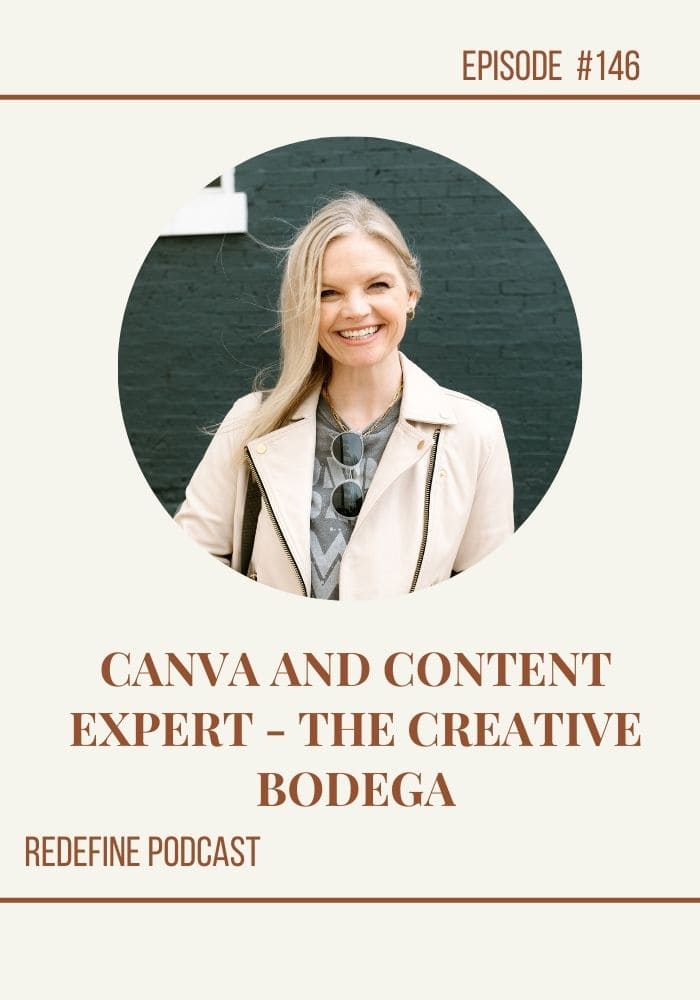
CANVA AND CONTENT EXPERT – THE CREATIVE BODEGA

When it comes to content creation and building a successful business, consistency and authenticity are two of the most critical ingredients. In this blog post, we dive into a conversation with Em, founder of The Creative Bodega, who shares her journey from overwhelmed gym owner to thriving content mentor and entrepreneur. If you’re looking for actionable tips on creating content, building trust with your audience, and turning your passion into profit, keep reading!


Em’s Entrepreneurial Journey

Em’s story begins with a CrossFit gym she co-owned with her husband. Initially, her Instagram presence was limited to sharing personal photos of her kids on a private account. But a challenge from her business coach to post every day for 30 days sparked the beginning of her content creation journey.


“I had a three-month-old, a three-year-old, and a seven-year-old,” Em recalls. “By 9 p.m., I was exhausted, but I’d remember I hadn’t posted, and it felt like such a burden.”


Despite the struggle, Em found joy in designing posts on Canva and gradually developed a system to create content efficiently. Her efforts didn’t go unnoticed. Her business mentor invited her to teach other gym owners how to use content to attract clients, sparking her passion for mentoring and teaching.


Finding Freedom Through Online Courses

While mentoring gym owners, Em realized she was trading time for money. Each call required her presence, leaving her drained and stretched thin. A pivotal moment came when she listened to Amy Porterfield’s podcast episode about creating online courses. The idea of earning passive income resonated deeply with Em.


Initially, Em planned to create a meal-prepping course—a natural fit for her fitness background. However, her husband’s encouragement to pursue her passion for Canva and branding shifted her focus.


“We were having margaritas in our kitchen when my husband came up with the name, ‘The Creative Bodega,’” she shares. “Six months later, I launched my course and made $12,000 in five days.”


Building Trust Through Content Consistency

Em’s success wasn’t just about creating a course; it was about building trust with her audience. She credits her consistent content strategy for helping her audience see her as an expert they could rely on.


“I’m not a sales expert,” she admits. “What I am good at is showing up consistently, posting valuable content, and sending weekly newsletters. That consistency builds trust so that when I have an offer, my audience is ready to buy.”


Overcoming Sales Mindset Blocks

For many entrepreneurs, especially women, selling can feel uncomfortable. Em encourages her clients to reframe their approach.


“You think you’re being annoying by talking about your offers, but people are busy,” she explains. “They need multiple reminders before they’ll take action. The old rule was seven exposures; now, it’s closer to 40 because of how much information we’re bombarded with daily.”


Her advice? Don’t shy away from promoting your offers. Post about your freebies weekly, mention them in your captions, and keep sharing.


Funnels: The First Step in Building Relationships

Funnels are another essential piece of the puzzle. While they might not directly result in high-ticket sales, they serve as a vital tool for building relationships with potential customers.


“A funnel is like your first date with someone,” Brittni adds. “It’s the introduction where people get to know you. From there, your newsletter nurtures the relationship.”


Practical Tips for Content Creation

Em shared some of her favorite tips for staying consistent and making content creation manageable:


  1. Post About Your Freebies Weekly: Rotate through a few Canva designs promoting your freebies to keep them visible.
  2. Simplify With One-Off Resources: Not every freebie needs to be polished. Quick, informal resources can be just as valuable to your audience.
  3. Stick to a Schedule: Develop a content plan that hits value buckets like entertaining, educating, and inspiring your audience.
  4. Leverage Templates: Use tools like Canva to create reusable templates, saving time and ensuring brand consistency.

The Creative Bodega’s Free Instastarter Kit

Em has a special gift: her 7-Day Instastarter Kit. This free resource includes Canva templates, caption ideas, and prompts to help you create consistent content. It’s perfect for anyone looking to simplify their content strategy and start showing up with confidence.


You can find Em on Instagram at @The.Creative.Bodega and sign up for her email list for more tips and resources.


Final Thoughts

Em’s journey is a testament to the power of showing up authentically, embracing consistency, and leaning into your unique strengths. Whether you’re just starting out or looking to refine your strategy, the lessons from this episode will help you grow your business while staying true to yourself.

Join the Conversation

Let’s not stop the party here. Head on over to my Instagram or Facebook group, Redefine Your Business, and share your thoughts about today’s show. See you again, same time, same place next week!


5 Ways You Can Use AI in Your Business in 2025

5 Ways You Can Use AI in Your Business in 2025

If you aren’t using AI in your business, you might get left behind. It’s changing the way entrepreneurs operate. By 2025, businesses that leverage AI will not only save time and resources but also elevate their marketing strategies, customer engagement, and content creation. If you’re looking to gain an edge, here are five powerful ways you can use AI in your business.


1. Revolutionizing Email Marketing

Email marketing remains one of the most effective ways to connect with your audience, and AI takes it to the next level by adding strategy and personalization to your email campaigns.


Content Generation

Struggling to write engaging email content? AI-powered tools like Jasper, ChatGPT or Copy.ai can draft compelling subject lines and body content based on your input. This saves time while maintaining a professional tone that resonates with your audience.


Optimized Send Times

With AI-driven analytics, you no longer need to guess the best time to send emails. AI algorithms analyze data to determine when your audience is most active and likely to engage, ensuring your message reaches them at the perfect moment.


2. Transforming Social Media Content Creation

Social media is a cornerstone of any marketing strategy, and AI can make managing multiple platforms seamless and efficient.


Content Planning and Scheduling

AI-driven tools like Later or Buffer now come equipped with features that analyze past performance to suggest optimal posting schedules. They can even recommend content types (videos, carousels, or reels) based on what resonates most with your audience.


Automated Content Creation

AI tools like Canva’s Magic Write can generate graphics and captions in minutes. For instance, you can input a few keywords about your business, and the AI will create engaging posts that align with your brand’s voice and aesthetic.


Advanced Trend Analysis

Stay ahead of trends by using AI tools to monitor viral content and predict what’s next. This ensures your brand is part of the conversation before it becomes mainstream.


3. Boosting Pinterest Marketing

Pinterest is a powerhouse for driving traffic and conversions, especially for businesses in niches like lifestyle, fashion, and DIY. AI can amplify your efforts on this platform.


Pin Design Automation

Tools like Tailwind Create allow you to input a URL or some text, and the AI will generate multiple Pinterest-friendly designs in seconds. This saves hours of design work and ensures your pins stand out.


Keyword Optimization

AI tools like Ahrefs or Pinterest’s built-in analytics can identify high-performing keywords for your niche. Use these insights to optimize your pin titles and descriptions, making them more discoverable.


Smart Pin Scheduling

AI-powered scheduling tools analyze when your audience is most active on Pinterest and automate your pin posting accordingly, ensuring maximum visibility and engagement.


4. Enhancing Blogging with AI

Blogging is a cornerstone for building authority and driving organic traffic, and AI can streamline the entire process from ideation to publishing.


AI-Powered Topic Generation

Struggling to come up with blog ideas? AI tools like ChatGPT can analyze trends in your industry and generate relevant topics tailored to your audience.


Content Creation

AI doesn’t just suggest ideas—it can also write high-quality drafts. Use tools like Jasper or Writesonic to generate blog posts that are 80-90% complete, leaving you to fine-tune the content to reflect your voice.


SEO Optimization

AI-powered platforms like SEMrush or MarketMuse analyze your content for SEO opportunities, suggesting keywords, meta descriptions, and content tweaks to boost your ranking.


Repurposing Blog Content

AI can also help you turn your blogs into other content formats, like infographics or social media posts, maximizing your reach and saving you time.


5. Optimizing Podcast Transcripts for Your Website

Podcasting continues to grow as a valuable content format, and AI can help you maximize its potential by streamlining transcript creation and optimization.


Automated Transcription

AI tools like ChatGPT can generate accurate transcripts of your podcast episodes in minutes. These transcripts are a goldmine for creating SEO-friendly content for your website.


SEO Optimization

Once the transcript is ready, AI tools like SurferSEO can identify keywords and phrases to optimize for search engines. Embedding these transcripts on your website can help your episodes rank higher, driving more organic traffic to your site.


Content Repurposing

Your podcast transcript can be a springboard for additional content. AI tools can help you repurpose it into blog posts, social media snippets, or even newsletters, giving you more mileage out of each episode.


Why AI is Essential for Your Business in 2025

The businesses that thrive in 2025 will be those that embrace AI as a partner, not just a tool. AI empowers entrepreneurs to:


  • Save time by automating repetitive tasks.
  • Increase efficiency with data-driven decisions.
  • Enhance customer relationships through personalization.

Whether you’re a solopreneur or running a large operation, these AI-powered strategies can be adapted to fit your unique needs and goals. The future of business is here—are you ready to take advantage of it?


By leveraging AI in your email marketing, social media content, Pinterest strategy, blogging, and podcast optimization, you can unlock new levels of growth and success in 2025 and beyond. Don’t wait to embrace these tools; start integrating AI into your business today!

Join the Conversation

Let’s not stop the party here. Head on over to my Instagram or Facebook group, Redefine Your Business, and share your thoughts about today’s show. See you again, same time, same place next week!


Facebook Ads Expert – Kwadwo

Mastering Facebook Ads

Today, I’m thrilled to dive deep into the world of Facebook ads with a special guest, Quadwo, a Facebook ads strategist and host of The Art of Online Business Podcast. Together, we unpack the ins and outs of using Facebook ads to grow your business, avoid common pitfalls, and achieve sustainable results.


Learning from Failures: Quadwo’s Journey to Mastery

Quadwo’s path to becoming a successful Facebook ads strategist was anything but traditional. He candidly shares how his initial attempts at running ads were, in his words, “the wrong way.” This early misstep gained him fame in China for his content on learning Mandarin Chinese, but it didn’t translate into financial success. “Followers on Instagram do not equate to customers,” Quadwo reminds us.


This experience taught him an invaluable lesson: more visibility on a poorly crafted offer doesn’t lead to profitability. Today, Quadwo uses his expertise to help online course creators, service providers, and coaches run Facebook ads the right way, ensuring their efforts lead to tangible results.


When to Invest in Facebook Ads

One of the most common questions business owners face is: When should I start running Facebook ads? According to Quadwo, the answer is straightforward: only after you have an offer that sells organically. Whether you’re using Instagram Stories, email launches, or affiliate promotions, if your offer consistently performs well and has a good profit margin, it’s a sign you’re ready to scale with ads.


Quadwo offers a memorable analogy: “Jesus saves; Facebook ads do not.” In other words, ads can amplify a solid offer, but they won’t rescue a bad one. If you’re struggling to convert sales organically, focus on refining your offer first.


Testing and Refining Your Marketing Funnel

Both Quadwo and I agree: successful marketing is a game of trial and error. Every component of your funnel—from traffic generation to landing page optimization and offer development—requires rigorous testing. Here’s a quick breakdown of how to troubleshoot and improve your funnel:


  1. Traffic Issues: If you’re not getting enough visitors, focus on driving more traffic.
  2. Landing Page Conversion: If people visit but don’t convert, revisit your copy, design, or overall messaging.
  3. Offer Optimization: If your funnel isn’t converting, assess whether your offer resonates with your audience.

By continuously testing, tweaking, and analyzing these elements, you’ll hone in on a strategy that works.


Budgeting for Facebook Ads

A big question many business owners have is how much to spend on Facebook ads. Quadwo recommends setting aside a minimum monthly budget of $900 to $1,000. However, the actual amount varies by niche and business goals.


Start by crunching the numbers:


  • How many leads do you need to hit your revenue target?
  • What is each lead worth to your business?
  • Can you acquire leads at a cost that leaves room for profitability?

For example, if each lead is worth $50 to your business and you’re acquiring them for $5, you’re in a strong position to scale.


The Difference Between Free and Paid Offers

One notable insight Quadwo shared is the difference in costs when running ads for free offers versus paid products. Free offers, like downloadable templates or lead magnets, typically have a lower cost per lead because the “ask” is minimal (just an email address). Paid offers, even low-ticket ones, require more investment because they’re asking for both trust and money.


For instance, Quadwo has seen leads for free templates come in at $1 each, while paid products may cost significantly more. This highlights the importance of nurturing leads through a funnel before pitching a higher-ticket offer.


Strategies for a Trust-Building Funnel

We’re living in what some marketers call a “trust recession.” After years of digital saturation, audiences are more cautious and selective. To overcome this barrier, focus on building the know, like, and trust factor with your audience.


Here are a few actionable strategies:


  • Lead Magnet Ads: Use Facebook ads to promote valuable free content (e.g., templates, checklists, or eBooks). This attracts leads and introduces them to your brand.
  • Webinars: Invite leads to a free training session that offers value upfront while subtly introducing your paid offers.
  • Email Nurturing: Once leads enter your funnel, nurture them with consistent, high-value content that reinforces your authority and builds trust.


Adapting to Changing Trends

The digital landscape is always evolving. While Facebook ads were once a surefire way to sell directly to a cold audience, they now require more strategic planning. As Quadwo notes, it’s increasingly effective to start ads for lead generation well before a launch. This allows you to warm up your audience over time, leading to better conversion rates during your sales events.

Connect with Quadwo

Business website

 YouTube

Instagram

TikTok   

Facebook Business Page


EPISODE FREEBIE: 

Get ‘The 7 Biggest Facebook Ad Mistakes Course Creators Make That Burn Through $$$ And Kill Results‘ email series and stop your ads from burning through your hard earned money.


Click HERE


Join the Conversation

Let’s not stop the party here. Head on over to my Instagram or Facebook group, Redefine Your Business, and share your thoughts about today’s show. See you again, same time, same place next week!


10 THINGS TO IMPROVE YOUR BUSINESS IN 2025

10 Things You Can Do to Improve Your Business in 2025

As a solo entrepreneur, running your business in 2025 means wearing multiple hats, staying ahead of trends, and consistently refining your skills. The good news? You have full control over how your business evolves. Here are ten things you can do to improve your business in 2025 and set yourself up for success.


1. Embrace AI-Powered Tools

Artificial Intelligence (AI) can be your secret weapon for saving time and maximizing efficiency. Whether you’re managing client interactions or analyzing trends, AI can help streamline your operations. 


Here’s how:

  • Automate customer service: Use automations and triggers in your email marketing to improve your customer experience.
  • Content creation: Tools like ChatGPT or Canva’s Magic Write can help create marketing content.
  • Data insights: Leverage AI-driven analytics tools like Google Analytics or Tableau to track your business performance.


2. Focus on Personalization

As a solo entrepreneur, building strong relationships with your customers is essential. Delivering personalized experiences can foster loyalty and set you apart.

Here’s how:

  • Segment your audience: Use email tools like Flodesl to send tailored messages.
  • Offer custom solutions: Adapt your products or services to meet individual needs.
  • Build genuine connections: Take time to engage with your audience on social media or through one-on-one communication.
  • Nurture your audience: Listen to your clients and audience and give them more of what they need and want.
  •  

3. Audit Your Online Presence

Your website and social media are your business’s storefront. Make sure they reflect your brand’s professionalism and are optimized to attract and convert visitors.

  • Revamp your website: Ensure it’s modern, mobile-friendly, and easy to navigate.
  • SEO improvements: Use free tools like Ubersuggest or paid platforms like Keywords Everywhere to identify the best keywords for your niche.
  • Consistent branding: Maintain a cohesive look and voice across all platforms to build recognition.
  •  

4. Invest in Your Own Education

As a solo entrepreneur, your personal growth directly impacts your business. Continuously learning new skills and staying updated on trends can give you a competitive edge.


  • Take online courses: There are so many great online courses offered that are  affordable.
  • Read industry books and blogs: Stay informed by diving into thought leadership in your niche.
  • Join mastermind groups: Surround yourself with other entrepreneurs to exchange ideas and gain insights.


5. Audit Your Business 

Auditing your expenses and evaluating your return on investment (ROI) is a critical step to improve your business’s financial health and profitability. By understanding where your money is going and what value it brings, you can make smarter decisions that align with your business goals.


  • Track and Categorize Expenses: Review your expenses over the last few months. Use a simple spreadsheet or tools  to group them into categories such as software subscriptions, marketing, or supplies. This clarity can help you spot unnecessary spending or areas to cut back.
  • Evaluate ROI for Key Investments: For every expense, ask, “What value does this bring to my business?” For example, assess whether a paid tool is helping you save time or make more sales. If it’s not delivering results, consider downgrading or eliminating it.
  • Optimize Subscriptions and Vendors:Review all recurring costs, like software or website hosting fees. Are you paying for features you don’t use? Look for free or lower-cost alternatives or negotiate discounts.


6. Refine Your Customer Experience (CX)

Providing an exceptional customer experience doesn’t require a big team. A few strategic adjustments can help you stand out.


  • Be responsive: Use tools like Flodesk or Gmail filters to ensure you don’t miss important messages.
  • Seek feedback: Regularly ask customers how you can improve, whether through surveys or direct conversations.
  • Simplify the buying process: Make it easy for customers to purchase your products or services online.


7. Leverage Influencer/Affiliate Marketing

Collaborating with influencers—even as a solo entrepreneur—can amplify your reach. Micro-influencers with niche audiences are particularly effective.


  • Find the right partners: Look for influencers whose values align with your brand.
  • Offer unique collaborations: Propose creative campaigns that stand out from standard promotions.
  • Track results: Use tools like Google Analytics to measure the effectiveness of influencer partnerships.


8. Automate Key Processes

Automation isn’t just for large businesses—it’s a lifesaver for solo entrepreneurs juggling multiple tasks. Start by automating:


  • Email marketing: Tools like Flodesk can manage email campaigns, autoresponders, and subscriber segmentation.
  • Social media scheduling: Platforms like Buffer or Later can help you plan and post content consistently.
  • Bookkeeping: Automate invoicing and expense tracking with tools like Wave or FreshBooks.

9. Expand Your Networking Efforts

Networking isn’t just about meeting people; it’s about building meaningful relationships that can support your business’s growth. Here’s how to make it work for you:


  • Join online communities: Participate in groups on LinkedIn, Facebook, or Slack that are relevant to your industry.
  • Host your own events: Organize webinars, Instagram Lives, or virtual Q&A sessions to connect with your audience.
  • Collaborate with peers: Partner with other solopreneurs for cross-promotions or joint ventures.

10. Create Evergreen Content

Content marketing is a cost-effective way to build your authority and attract clients over time. Focus on creating resources that stay relevant:


  • Blog posts: Write how-to guides, tips, or insights that address common customer pain points.
  • Video tutorials: Share your expertise on platforms like YouTube or TikTok.
  • Downloadable resources: Develop e-books, templates, or checklists to provide extra value and capture leads.

Improving your solo business in 2025 is about working smarter, not harder. Whether you focus on mastering new tools, enhancing customer experiences, or expanding your network, every step you take contributes to long-term success.

Which of these strategies will you implement first? Send me a message and let me know your thoughts. 


Join the Conversation

Let’s not stop the party here. Head on over to my Instagram or Facebook group, Redefine Your Business, and share your thoughts about today’s show. See you again, same time, same place next week!


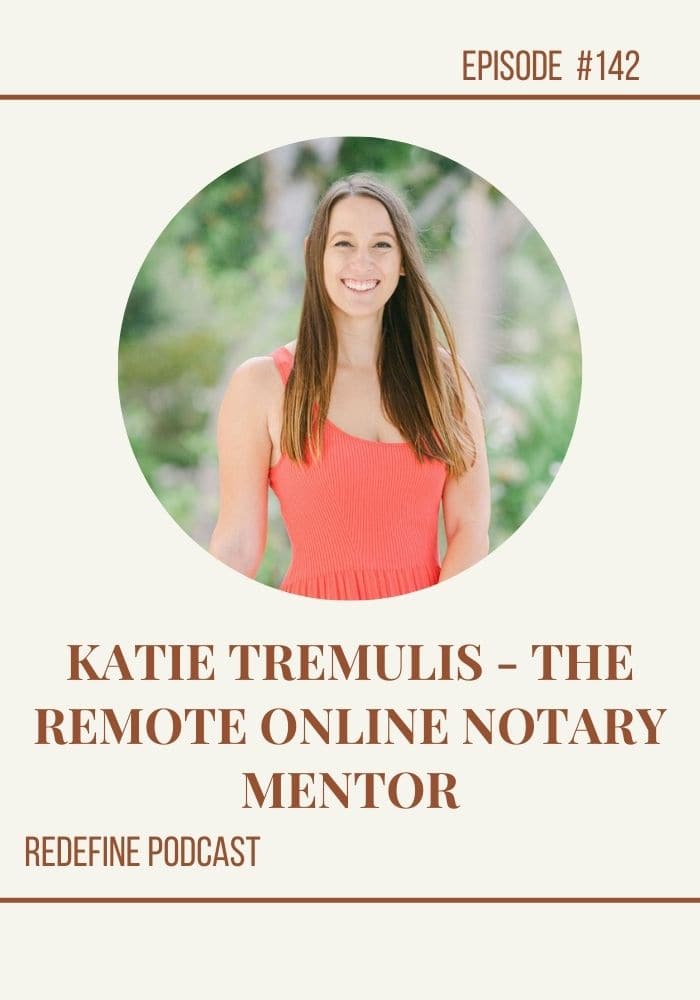
KATIE TREMULIS – THE REMOTE ONLINE NOTARY MENTOR

Turning a Side Hustle into a Thriving Business with Katie Tremulis


Starting a business often begins with a spark of curiosity and the courage to explore something new. In this episode of the Redefine Business Podcast, Brittni sits down with Katie Tremulis, a remote online notary coach who turned her side hustle into a successful business and coaching enterprise. Katie’s story is a testament to resilience, adaptability, and the power of scaling a niche service.


From Finance to Notary


Katie’s career took an unexpected turn three years ago following significant life changes, including a divorce. Previously working in finance, she found the cost of childcare prohibitive, forcing her to reevaluate her career path. While navigating these challenges, she stumbled across a social media post about someone making a full-time career as a notary. Intrigued, Katie decided to leverage her existing notary certification—something she had maintained during her finance career—to start performing in-person notarizations.


At first, Katie worked with various companies that required notarized documents, meeting clients in person and managing paperwork. While the work was steady, the extensive travel took her away from her family, prompting her to seek a more flexible solution. This led her to discover remote online notarization, a secure way to notarize documents digitally. After completing the necessary certifications and extensive research, Katie transformed her notary service into a remote career, allowing her to work from home while creating a sustainable income.


Scaling Beyond the Service


Katie’s journey didn’t stop at offering remote notary services. She noticed a lack of accessible resources for others looking to break into the field and decided to fill that gap by becoming a coach. Drawing from her own experiences and missteps, Katie began sharing valuable insights on social media, which quickly gained traction. Recognizing the demand, she developed a comprehensive online course covering everything from starting a remote notary business to invoicing and scheduling—a perfect solution for individuals juggling other jobs or responsibilities.


Katie’s approach to scaling her business illustrates a powerful lesson: growth often lies in leveraging existing expertise to teach others. By diversifying her offerings, she’s created a product suite that includes one-on-one coaching, webinars, and self-paced courses. This model not only generates multiple income streams but also makes her expertise accessible to a wider audience.


Lessons in Scaling and Evolving


Brittni and Katie discussed the importance of scaling a business effectively. Many entrepreneurs hit a ceiling when they rely solely on delivering one-on-one services. Katie’s story highlights how creating scalable products—like her online course—can open new doors for growth. Brittni emphasized that scaling often involves teaching others and expanding beyond the initial service, whether it’s photography, coaching, or remote notarization.


For Katie, scaling was about addressing unmet needs in her industry and creating solutions for people in various stages of their journey. By offering flexible learning options, she’s empowered individuals to start their own notary businesses, turning what might have been just a side hustle into a sustainable career.


Opportunities in Remote Online Notarization


Remote online notarization isn’t available in every state, but Katie encourages aspiring notaries to start with mobile notary services, which are accessible nationwide. Mobile notaries work locally, providing flexibility and a steady income stream. For those in states where remote notarization is permitted, Katie’s resources guide them through the process of becoming certified and building a business.


Connect with Katie Tremulis


Interested in exploring a career in notary services or learning more about remote notarization? Here’s how you can connect with Katie:


Website

YouTube
Instagram: @NotarySWFL
Master Remote Online Notarization Course 

Join the Conversation

Let’s not stop the party here. Head on over to my Instagram or Facebook group, Redefine Your Business, and share your thoughts about today’s show. See you again, same time, same place next week!


10 THINGS YOU SHOULD DO IN QUARTER FOUR

10 Things You Should Do in Your Business in Quarter 4

The final quarter of the year is crucial for businesses. It’s the time to make a last push to reach your annual goals, prepare for the holiday season, and set the stage for a successful start to the new year. Whether you’re a seasoned entrepreneur or just starting out, Q4 offers opportunities to wrap up the year. Here are 10 things every business owner should consider doing in the fourth quarter to finish strong and prepare for the next year. 


1. Review and Reflect on the Year’s Performance

Before diving into year-end activities, take a step back and assess how your business has performed so far. Review your financials, key performance indicators (KPIs), and any other metrics you’ve been tracking. Identify what went well and where there were challenges. This is so important as to what works and what doesn’t.

Consider asking yourself questions like:


  • Did you meet your revenue goals?
  • Which products or services performed best?
  • Are there any recurring issues that need addressing?

A clear understanding of your business’s performance helps for planning the remainder of Q4 and beyond.


2. Set Q4-Specific Goals

While you may have set goals for the entire year, it’s important to establish specific objectives for Q4. These goals should be realistic, achievable, and aligned with both your annual objectives and also the seasonal goals. For example, you might focus on increasing sales by a certain percentage during the holiday season or try to get a specific number of new clients by year’s end.


Setting Q4-specific goals allows you to prioritize your resources and time effectively, ensuring you’re focused on activities that will provide the most impact in the final stretch of the year.


3. Plan for Holiday Promotions

If you sell products or services that might benefit from a holiday boost, now is the time to plan your promotions. Whether it’s Black Friday, Cyber Monday, or a year-end sale, these holidays provide great opportunities to attract new customers and increase sales. Determine your discounts or promotional offerings in advance, create a marketing calendar, and start generating buzz on your social media channels, email lists, and website.


Ensure that your holiday promotions reflect your brand and align with your business goals. Use these promotions to incentivize repeat customers and reward loyal clients with special offers or exclusive deals.


4. Improve Your Customer Experience

The holiday season can bring in a high volume of customers, many of whom may be interacting with your business for the first time. Take this opportunity to assess and improve your customer experience, from browsing your website to customer support. Consider these steps:


  • Test your website’s user experience to ensure it’s intuitive and fast.
  • Optimize your checkout process to minimize cart abandonment.
  • Make sure your post-purchase funnel is up to your standards


An excellent customer experience can turn a one-time buyer into a repeat customer and can boost referrals, which is invaluable during a busy season.


5. Update Your Inventory or Service Offerings

For product-based businesses, Q4 is an ideal time to review your inventory. Identify top-selling items, products with lower demand, and seasonal items you may want to promote or discount. Make sure you have enough stock of popular items and consider creating bundles or limited-time offers to move inventory efficiently.


For service-based businesses, consider updating your offerings to suit Q4 needs. This might include creating special holiday packages, adjusting your service delivery schedules, or adding seasonal options that appeal to customers looking to complete year-end projects.


6. Focus on Increasing Cash Flow

With the holiday season in full swing, Q4 can be a time of increased revenue, but it can also be a period of higher expenses. Focus on strategies to maximize cash flow, such as:


  • Offering early payment incentives to clients.
  • Reducing unnecessary expenses.
  • Running pre-order or early bird promotions to generate upfront cash.

Strong cash flow helps cover any end-of-year expenses and sets you up for a comfortable start to the new year. Keep a close eye on your finances to avoid overspending, even if you’re seeing a revenue boost.


7. Engage Your Audience with Valuable Content

As the year wraps up, it’s a great time to share engaging content with your audience. Create valuable blog posts, videos, or social media content that relates to your industry and provides tips, ideas, or solutions to common year-end challenges. Content ideas could include:


  • Year-end roundups, like top products of the year or success stories.
  • Holiday tips related to your product or service.
  • “Look Back and Look Ahead” articles that reflect on the past year and discuss trends for the next.


Providing valuable content helps build trust and keeps your audience engaged, even if they aren’t purchasing right away.


8. Gratitude for Your Team

A motivated team is crucial for meeting year-end goals, especially if you’re experiencing a busy season. Recognize their hard work, encourage team-building, and, if possible, provide rewards or bonuses. It’s also a great time to review your team’s skills and consider providing training that could enhance their performance for the new year.


End-of-year incentives not only improve morale but can also lead to better performance. Happy, motivated team members are more likely to contribute effectively and go the extra mile to help your business succeed.


9. Conduct a Year-End Financial Review

A comprehensive financial review can highlight any outstanding debts, identify potential tax savings, and give you a clear understanding of your profit and loss for the year. This review can help with:


  • Planning for tax season by identifying deductible expenses.
  • Setting a realistic budget for the next year.
  • Making any necessary financial adjustments to close the year positively.


Consider working with an accountant or financial advisor if necessary. A year-end financial review is crucial for getting an accurate picture of your business’s financial health and planning for the future.


10. Start Planning for the New Year

Finally, start thinking about your goals, vision, and plans for the upcoming year. Use what you’ve learned from your Q4 review and from reflecting on the past year to set new objectives. Your annual plan could include:


  • Revenue targets and financial goals.
  • New products or services you’d like to launch.
  • Marketing strategies you want to test or expand.


Establishing a rough outline for the new year gives you a head start and helps you prioritize the next steps once Q4 wraps up. Take advantage of this time to set the stage for the future.


Wrapping Up

The last quarter of the year is a time of both reflection and action. By focusing on these 10 activities, you can close the year strong and ensure that you’re prepared to start the new year with momentum. Each step not only addresses immediate needs but also sets you up for long-term success. Don’t let the busyness of Q4 deter you from planning thoughtfully and executing efficiently. Here’s to a strong finish and an even stronger start to the new year!

Join the Conversation

Let’s not stop the party here. Head on over to my Instagram or Facebook group, Redefine Your Business, and share your thoughts about today’s show. See you again, same time, same place next week!


HOW TO USE PINTEREST IN YOUR BUSINESS WITH HEATHER FARRIS

HOW TO USE PINTEREST IN YOUR BUSINESS WITH HEATHER FARRIS


In this episode, Brittni Schroeder gets into the often-overlooked yet incredibly powerful tool of Pinterest marketing with expert Heather Farris. Brittni and Heather discuss how Pinterest, while frequently mistaken for social media, is actually a search engine, offering unique opportunities for businesses to drive traffic and convert leads through strategic pinning. With eight years of experience, Heather sheds light on how businesses can leverage Pinterest’s search capabilities to reach audiences more effectively, explaining that when used correctly, Pinterest can be a game-changer in any digital marketing strategy.


The Start of Heather’s Pinterest Journey

Heather’s journey into Pinterest marketing started as a newlywed who struggled with meal planning. After reaching out to friends for recipe advice, she received an invite to Pinterest during its beta days. From there, Heather found herself hooked. “I taught myself nearly everything I know about adult life using Pinterest,” she shares. This hands-on, consumer-first experience laid the foundation for Heather’s expertise, ultimately helping her build a business as a Pinterest marketer, where she now assists other business owners in using Pinterest strategically.


Why Pinterest is a Search Engine, Not Social Media

Brittni and Heather emphasize an often-misunderstood concept: Pinterest is not a social media platform but a visual search engine. This distinction is crucial, as it changes the way business owners should approach content on Pinterest. Heather explains, “When people use Pinterest, they’re either scrolling their home feed, which is tailored based on their past searches, or they’re actively searching for something specific.” This behavior reflects the dual nature of Pinterest’s algorithms: a recommendation algorithm (similar to TikTok or Instagram) and a search algorithm that connects users to content directly relevant to their queries.


For business owners, this means that Pinterest content should be optimized for search, using relevant keywords and engaging visuals to ensure pins appear when users are actively seeking information or solutions related to their niche.


Creating Content That Converts: The Role of Free Resources and Lead Magnets

One key strategy Heather advocates for is using Pinterest to promote free resources or lead magnets that drive users to a business’s website or email list. Heather shares her approach: “I make pins for all my free offers and paid products, as well as for my blog and YouTube content.” This strategy allows her to introduce potential customers to her business by providing value up front, fostering trust before any monetary exchange.


For example, if a business offers a free downloadable resource, they can create multiple pins for it, each one targeting different keywords or featuring different visuals to appeal to various types of users. Heather notes that this method has helped her nurture relationships with prospective clients by proving her expertise and building trust through valuable content.


Brittni echoes this approach by highlighting how important it is to lead users through a well-thought-out content funnel. “When I create content, I ensure it aligns with my offers,” Brittni explains. By guiding her audience from free content to her paid offerings, she’s able to walk them through a journey that eventually leads to conversions.


Building a Seamless Funnel on Pinterest

A well-designed sales funnel on Pinterest begins with offering valuable, free content that aligns with your paid products. Brittni emphasizes the importance of creating content that directly supports a business’s offers: “If I’m teaching people to build email funnels, then my content should focus on email marketing tips, automation tools, and list-building strategies.”


The goal is to start with free, valuable content that answers common questions or pain points for the target audience. From there, business owners can guide users to related paid products or services. Heather adds that business owners shouldn’t hesitate to promote their products in their content. “You’re in business to make money. Let’s sell that stuff, babe!” she advises.


Heather also suggests making pins for everything that could serve as an entry point into the sales funnel: blog posts, YouTube videos, free guides, and more. By continually pinning these types of content with diverse images and keywords, business owners can expand their reach, drawing in more viewers who are already searching for the solutions they offer.


Leveraging Different Types of Pins and Content Styles

When it comes to creating pins, variety is key. Heather advises against the “one and done” approach, encouraging business owners to recycle content regularly with different visuals and keywords to appeal to various search queries. This strategy is particularly effective on Pinterest, where users engage with content over time rather than in a fleeting, social media-style scroll.


To maximize visibility, Heather recommends mixing static images, video pins, and infographics. By doing so, business owners can reach audiences with different content preferences and increase their chances of appearing in search results. “If you’re consistently pinning with various styles, you’ll catch more people’s attention in different ways,” she explains.


Consistent Pinning and Frequency for Optimal Results

Pinning frequency is a common question for many business owners starting out on Pinterest. Heather suggests maintaining a steady stream of content, whether that’s posting new pins for lead magnets, blog posts, or other offers. For her business, she creates around 30 new pins each month, thanks to a well-defined workflow that her team supports. However, for someone managing Pinterest solo, she advises starting small. “If you can handle five or ten pins a month, do that and scale up as you can.”


By consistently adding fresh pins to Pinterest, business owners increase their chances of being discovered and staying relevant. Even repinning existing content with new visuals or descriptions can help boost visibility, as Pinterest’s algorithm rewards active accounts that regularly publish diverse content.


The Big Picture

In their discussion, Brittni and Heather highlight the immense potential of Pinterest as a business tool. For business owners who often feel overwhelmed by the ever-changing landscape of Instagram and Facebook, Pinterest offers a more sustainable way to drive traffic and build lasting customer relationships. With strategic pinning, a clear content funnel, and consistent posting, Pinterest can become a powerful source of evergreen traffic for any business.


As Heather concludes, “If you understand the road people need to take to buy your product, you’ll see more success in the long run.” Pinterest, when used with a clear strategy and intention, can connect you with your ideal audience and grow your business. Whether you’re just starting out or looking to refine your approach, take a page from Heather and Brittni’s playbook, and let Pinterest work its magic for your business.

RESOURCES

Heather’s Resources:


HEATHER’S FREEBIE: Pinterest Strategy Guide

Heather’s Website

Heather’s Instagram


Brittni’s Resources: 


The Meeting Place Membership
Rock The Reels
1:1 Coaching
Free Client Welcome Guide
Additional Trainings and Resources


Connect with Brittni:


Follow me on the Gram – @brittni.schroeder
Join my Facebook Group 
Visit my website
Subscribe to my Youtube

HOW TO WRITE AN EFFECTIVE EMAIL TO YOUR SUBSCRIBERS

How to Write an Effective Email to Your Subscribers


Email marketing has become one of the best ways to connect with your audience. Email is a direct line to your audience and one of the most powerful tools for driving engagement, conversions, and long-term brand loyalty. But sending out a generic message isn’t enough. You need to capture attention, build relationships, and make sure your emails leave a lasting impression. This is where thoughtful email design and messaging come in.


Today we’ll explore how to write effective emails for your subscribers and discuss the key components that can help you stand out, including the strategic use of images. By the end, you’ll be equipped with actionable tips to craft compelling emails that your audience will actually want to open and engage with.


1. Start with a Strong Subject Line


Your subject line is the first thing your subscribers see, and it will determine whether they open your email or skip it. A great subject line piques curiosity, creates urgency, or provides a clear benefit to the reader. You want it to be short, relevant, and intriguing enough to entice them to take that first step.


  • Be clear and specific: Tell readers what they’ll get out of opening your email. For example, “How to Build Your Email List in 30 Days” or “Exclusive Offer: 20% Off for Our VIP Members.”
  • Use personalization: Including the subscriber’s first name in the subject line can increase open rates. An example could be, “John, we have a special offer just for you!”
  • Incorporate a sense of urgency or curiosity: Phrases like “Last Chance” or “Don’t Miss Out” can encourage readers to open emails quickly, while teasers like “You Won’t Believe What’s Inside” can spark curiosity.

2. Create a Personalized Greeting


After getting them to open the email, the next step is establishing a personal connection. Starting with a personalized greeting is a simple way to humanize your communication. Instead of saying “Dear Subscriber,” use their first name, such as “Hi [Name],” or, if you have more context about your relationship with them, customize it further: “Hey [Name], hope you enjoyed last week’s blog post on social media automation!”


3. Make Your Message Relevant and Valuable


People are inundated with emails, so your message needs to stand out by providing real value. The content of your email should be relevant to your subscribers and cater to their needs, interests, or desires. Here are some ways to create valuable content:


Solve a problem or answer a question: Think about what your audience needs or wants to know. Are you offering them tips on how to grow their business, use your product, or improve their personal life? Provide actionable advice and show them that your content can solve their problems.


Offer something exclusive: Whether it’s a special discount, an invite to an exclusive event, or access to early content, give your audience something that they can’t get elsewhere.


Tell a story: People connect with stories. Share your journey, an inspiring customer success story, or a behind-the-scenes look at your business. This makes your email more engaging and helps build a connection with your audience.


4. Keep It Concise and Focused


While you may be tempted to include all sorts of information in your email, brevity is key. Readers typically scan their emails rather than read them in full. If your email is too long, you risk losing their attention. Aim to keep the text concise and easy to read. Focus on one main point or call-to-action (CTA) per email, and use bullet points or short paragraphs to make your content skimmable.


For example, if you’re promoting an upcoming webinar, explain what it’s about, why it’s valuable, and include a clear button for them to sign up. If you have multiple offers or updates, consider sending separate emails or using a segmented approach to ensure the content stays relevant to each subscriber.


5. Include a Call-to-Action (CTA)


Every email should have a purpose, whether it’s driving traffic to your website, encouraging a purchase, or getting subscribers to sign up for an event. Make sure to include a clear call-to-action (CTA) that tells the reader what to do next. CTAs can be placed in buttons or linked text.
Some common CTAs include:

  • “Shop Now”
  • “Download Your Free Guide”
  • “Sign Up for the Webinar”
  • “Read the Full Article”


Make the CTA visually distinct and easy to find. Use action-oriented language that makes the next step clear and simple.


6. Make It Visually Appealing:


  • Include an Image: Adding images to your emails can significantly enhance their appeal and make them more memorable. People process images faster than text, and visuals can help communicate your message more effectively. Here’s why including an image is a good idea:


  • Build brand recognition: Consistently using an image of yourself, your logo, or your product helps build brand awareness and makes you more recognizable. Subscribers will start associating the visuals with your brand, which is crucial for long-term engagement.


  • Create emotional connections: Images can evoke emotions in ways that text can’t. Whether it’s a smiling face, a happy customer using your product, or a behind-the-scenes shot of your team, visuals help humanize your brand and create an emotional connection with your subscribers.


  • Break up the text: A well-placed image can break up blocks of text, making your email easier to read and more visually appealing. This keeps readers engaged and prevents your email from feeling overwhelming.


  • Highlight your products: If you’re promoting a product or service, show it off! High-quality images of your product in action can increase interest and drive conversions.

However, be mindful not to overdo it. A single, relevant image is often more effective than a cluttered email filled with visuals. Balance is key.


7. Optimize for Mobile Devices


With a growing number of users checking their emails on smartphones, it’s critical to ensure your emails are mobile-friendly. If your email doesn’t look good on a small screen, subscribers are more likely to delete it or unsubscribe.
Some best practices for mobile optimization include:
Use a responsive design: Your email layout should adjust to different screen sizes so that it looks good on both desktops and mobile devices.


  • Limit text length: Keep subject lines short and avoid large blocks of text.
  • Use large, clickable buttons: Make sure CTAs are easy to tap on a mobile screen.
  • Avoid tiny fonts: Choose a font size that’s readable on smaller screens.

8. Test, Track, and Optimize


Once your email is sent, the work doesn’t stop. Track key metrics like open rates, click-through rates, and conversion rates to see how your emails are performing. Use A/B testing to experiment with different subject lines, CTAs, or images to find out what resonates most with your audience. With this data, you can continually refine your emails to improve engagement.


Writing a successful email to your subscribers takes thought and strategy. From crafting a compelling subject line to including a well-placed image, every detail contributes to how your email is received. By personalizing your message, providing value, and ensuring your emails are visually appealing, you’ll not only stand out in a crowded inbox but also build stronger, lasting relationships with your audience.


Including images isn’t just about aesthetics; it’s a tool to help make your email more memorable, more engaging, and more effective at driving the results you want. So, the next time you craft an email, don’t forget to think about how you can make a lasting impression—not just with words, but with visuals too.

Join the Conversation

Let’s not stop the party here. Head on over to my Instagram or Facebook group, Redefine Your Business, and share your thoughts about today’s show. See you again, same time, same place next week!


Don’t forget the Flodesk coupon code! Click HERE

Eden with Maven Made Copy – Blog and SEO Strategy

Blog and Seo strategy

In the world of online business, search engine optimization (SEO) is an invaluable tool. It’s the strategy that helps businesses reach their target audience through organic search results on platforms like Google. But what exactly does SEO entail, and how can you use it to your advantage?


In this podcast, we’ll dive into the insights from Brittni and guest Eden from Maven Made Copy, a blog writing and SEO expert, to discuss some of the nuances of SEO. Specifically, we’ll take a closer look at one crucial aspect of SEO—backlinks—and break down what they are, how they work, and why they matter.


What are backlinks?

Backlinks are a key piece of the SEO puzzle. Simply put, a backlink is a link from one website to another. For example, if you write a blog post and include a link to a study on another website, that’s a backlink for the study’s website. Similarly, when another website links to your content, you’ve earned a backlink. 


Backlinks act like endorsements from other websites, signaling to search engines that your content is credible and authoritative. The more high-quality backlinks you have, the more likely it is that search engines, like Google, will rank your content higher in search results. 


As Eden explains, “Backlinks are kind of like a gold star from another website, saying ‘this content is valuable and trustworthy.’ When search engines recognize that endorsement, they’ll start ranking you higher.” 


Why do backlinks matter for SEO?

Backlinks are important because they help establish your domain authority—essentially, your website’s reputation with search engines. The more credible websites that link back to your content, the higher your domain authority becomes. As your domain authority increases, so does your visibility in search engine results pages (SERPs). 


According to Eden, “Backlinks help increase your domain authority, which is like a grade for how well your site is optimized for SEO. The higher your domain authority, the more credibility you have with search engines.”


This credibility can be the difference between showing up on the first page of Google search results or being buried on page three, where fewer users are likely to find you. 


SEO VS. SOCIAL MEDIA. WHAT’S THE DIFFERENCE?

In the episode, Brittany and Eden also touch on an important topic—why it’s critical not to rely solely on social media for website traffic. Social media is a powerful marketing tool, but you don’t own your social media platforms. As Eden points out, “It’s really scary when Instagram goes down because you suddenly lose your connection to your audience.”


Your website, on the other hand, is a platform that you own and control. And that’s why investing in SEO is so important. SEO ensures that potential customers can find you through organic searches, regardless of the status of your social media platforms. 


Another important distinction between social media and SEO is longevity. A post on Instagram might last a day, but a well-written blog post optimized for SEO can rank in search results for months or even years, providing long-term value.


HOW TO EARN BACKLINKS

Now that we’ve established the importance of backlinks, let’s explore how you can earn them. Here are some strategies Eden shared during the podcast:


  1. Guest Blogging: Write articles to be featured on other websites. Most guest blogging opportunities allow you to include an author bio with a link back to your website.


  1. Guest Podcasting: Just like guest blogging, being a guest on a podcast can result in backlinks when your website is included in the show notes or on the podcast’s website.


  1. Online Directories: Signing up for industry-related directories or online communities can also provide backlinks when you create a profile and link to your website.


  1. Networking & Collaborations: Collaborating with other business owners or participating in joint projects can lead to backlinks. For example, if you work on a giveaway or co-write an article, your website can be linked on your partner’s site.


  1. List Posts: Reach out to websites that publish “Top 10” style list posts relevant to your industry. If your business is featured in one of these lists, it’s a valuable backlink.


  1. Creating Shareable Content: High-quality, valuable content naturally attracts backlinks. When people find your content useful, they’re more likely to link to it on their own websites.


  1. HARO (Help a Reporter Out): HARO is a service where reporters look for experts to quote in their articles. By contributing to a journalist’s story, you can often earn a backlink to your website when they cite your input.


THE LONG GAME OF SEO

One of the key takeaways from this discussion is that SEO, particularly backlink building, is a long game. It takes time to build domain authority and see the results of your efforts. Unlike social media, where the feedback loop is almost instant, SEO takes patience. 


However, as Eden and Brittany emphasize, the long-term payoff is worth it. A well-optimized blog post can drive traffic to your site for years, making SEO a powerful long-term investment in your business’s growth.


CONCLUSION

If you’re not already using backlinks as part of your SEO strategy, now is the time to start. As Brittany and Eden pointed out, SEO is a critical component of building a sustainable online presence. While social media may come and go, a strong SEO foundation will continue to deliver results over the long term.


If you’re interested in learning more about SEO or need help with blog writing, you can reach Eden at MavenMadeCopy.com or follow her on Instagram at @MavenMadeCopy. Her expertise can help you elevate your SEO strategy and start building the long-term success your business deserves.


Plus, don’t miss out on her free blog content calendar! Click HERE

Join the Conversation

Let’s not stop the party here. Head on over to my Instagram or Facebook group, Redefine Your Business, and share your thoughts about today’s show. See you again, same time, same place next week!

Why Someone Else’s Strategy Might Not Be Right for You

Why Someone Else’s Strategy Might Not Be Right for You

Have you ever tried on a pair of shoes that just didn’t fit right? Maybe they were a size too small, pinching your toes with every step, or too big, causing you to stumble awkwardly as you walked. Even though they looked great on the store shelf or worked perfectly for someone else, they weren’t a match for you. Now imagine wearing those shoes day after day, hoping they’d eventually conform to your feet. The discomfort might fade into the background at times, but you’d never be able to shake that sense of something being off.

Building a business using someone else’s blueprint is a lot like wearing shoes that don’t fit. It might seem okay at first—after all, if it worked for them, why not for you? But over time, the strain of trying to conform to a model that doesn’t align with your personality, strengths, and values can wear you down. This is where burnout begins to creep in, leaving you wondering why you ever started the journey in the first place.

The Danger of Copy-Paste Strategies

As entrepreneurs, we often look to others for inspiration, especially in the early stages of our business. We read success stories, attend seminars, and scroll through social media, trying to get insights into how the top performers got to where they are. It’s easy to fall into the trap of thinking, “If it worked for them, it’ll work for me.” But here’s the truth: businesses aren’t one-size-fits-all.

You might see someone running a hugely successful marketing campaign, raking in followers on Instagram or TikTok, and think you need to replicate that exact strategy. But what you don’t see is the behind-the-scenes reality of what went into making that work—what their strengths are, how much money they had to invest, their connections, or their personal style that resonates with their audience. What works for them might not suit you, just like a strategy that fits perfectly for a different type of business owner could feel all wrong for you.

When you try to force yourself into someone else’s mold, you’re bound to experience friction. Sure, you might achieve some level of success in the short term, but over time, that friction turns into frustration and, ultimately, burnout. Why? Because you’re not being authentic. You’re not playing to your strengths or building a business that feels right for you.

Why Authenticity Is the Key to Long-Term Success

Authenticity in business is more than just a buzzword; it’s the foundation for sustainability. When you build a business that reflects who you are, what you value, and how you like to work, everything starts to feel more natural. You’ll attract clients and customers who resonate with your message and your style, not just with the tactics you’re using.

Authenticity means showing up as yourself—not as a polished, unreal version of what you think an entrepreneur should look like, but as the real, imperfect, and unique person you are. This doesn’t just apply to how you market or how you show up on social media. It extends to the very core of how you structure your business: the products or services you offer, the way you engage with clients, and the vision you have for your future.

When you lean into authenticity, you start building a business that’s sustainable because it’s aligned with who you are at your core. And the beauty of this approach is that you’ll find it easier to stay energized, motivated, and focused over the long term, even when challenges arise.

The Risk of Burnout When You’re Not True to Yourself

When we build our businesses based on someone else’s template, it’s easy to feel like we’re constantly chasing something that’s always just out of reach. You might be working long hours, trying to emulate another entrepreneur’s social media schedule, but it feels like a grind rather than something you’re passionate about. Maybe you’re adopting a sales strategy that feels pushy because you’ve been told it’s the only way to close deals, even though it makes you uncomfortable.

That constant discomfort—whether it’s from using marketing strategies that don’t align with your values or from pretending to be someone you’re not in order to fit into a mold—will inevitably lead to burnout. You’ll start to dread the very things that once excited you, and you’ll lose sight of why you started your business in the first place.

Burnout isn’t just about exhaustion; it’s about a loss of purpose. When you’re not building a business that feels authentic to you, the purpose behind what you’re doing gets blurred. You might hit goals, but you won’t feel fulfilled. You’ll question whether all the effort is really worth it, and that’s a dangerous place to be as an entrepreneur.

Building a Business that Fits You

So, how do you avoid falling into the trap of building a business based on what works for someone else? Here are a few steps to help you build a business that feels right for you, not just one that mirrors someone else’s success:

Know Yourself

Start by understanding your own strengths, values, and preferences. What energizes you? What kind of work do you find fulfilling? What are your non-negotiables in life and business? Build from there. If you’re someone who values deep, personal relationships, your business model might emphasize high-touch services rather than high-volume sales.

Define Your Success

Success looks different for everyone. For some, it’s about financial growth; for others, it’s about flexibility, creativity, or social impact. Define what success means to you, and don’t let anyone else’s definition distract you from that.

Be Selective About Advice

It’s great to learn from others, but don’t blindly follow every piece of advice you come across. Filter advice through the lens of your own business and values. If it doesn’t feel right, don’t force it.

Experiment and Adapt

While authenticity is crucial, it’s also important to be adaptable. You might not get everything right the first time, and that’s okay. Give yourself permission to experiment and make adjustments along the way. The goal is to find what feels authentic and sustainable for you.

Find Your Own Voice

Whether it’s through your content, your marketing, or the way you interact with customers, find a voice that feels natural to you. Don’t try to mimic someone else’s style just because it worked for them. People are drawn to authenticity, and when you communicate in a way that’s true to who you are, your audience will notice.

At the end of the day, your business should feel like a comfortable pair of shoes—made just for you, fitting perfectly with who you are and how you want to live your life. When you build a business that’s aligned with your strengths, values, and vision, you won’t have to worry about burnout because you’ll be creating something that feels right at every step.

Instead of chasing someone else’s version of success, focus on building something authentic to you. Not only will you feel more fulfilled, but you’ll attract the clients and customers who value exactly what you have to offer. And that’s the kind of success that lasts.

Join the Conversation

Let’s not stop the party here. Head on over to my Instagram or Facebook group, Redefine Your Business, and share your thoughts about today’s show. See you again, same time, same place next week!